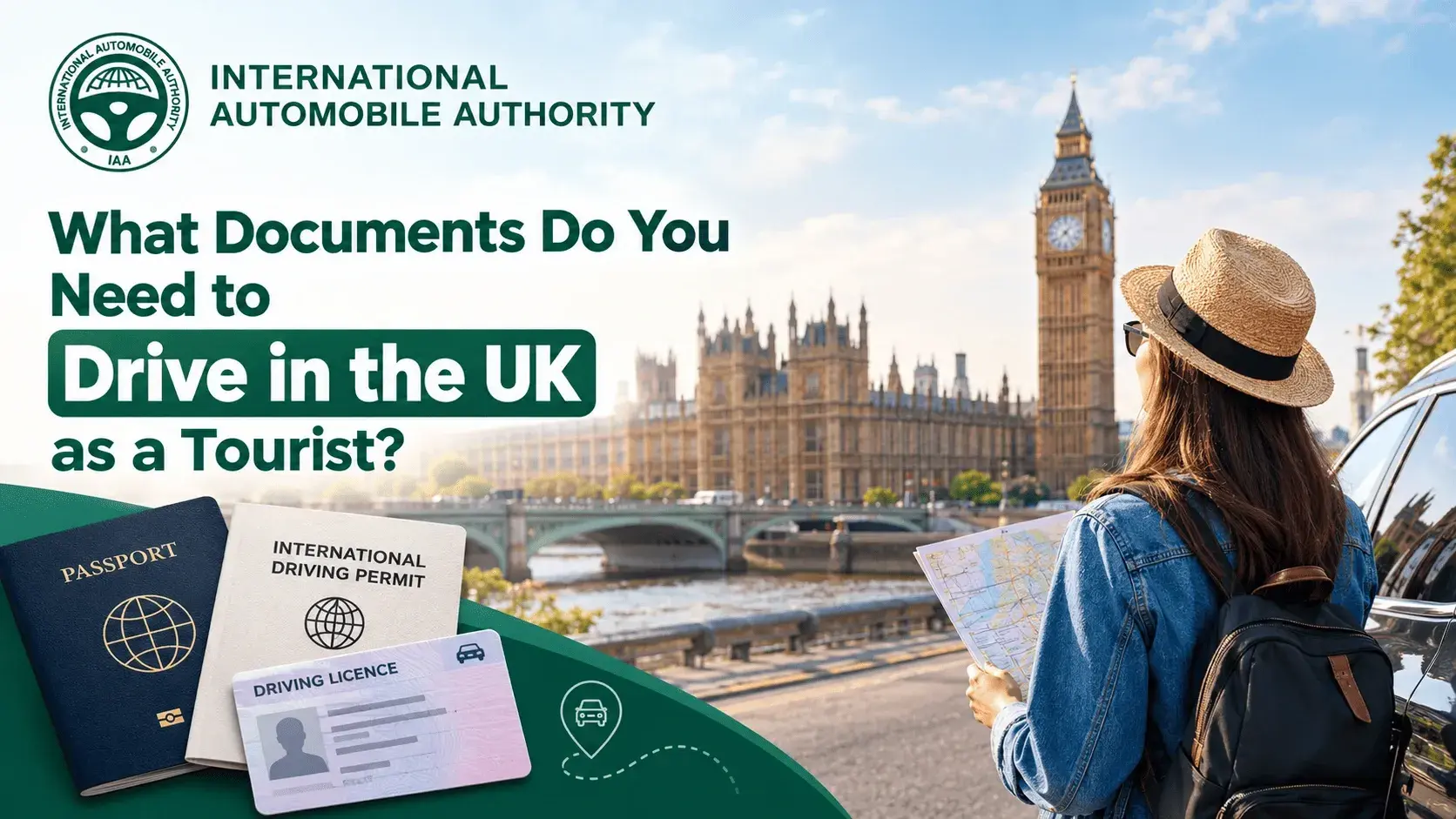


Planning to rent a car on your next international trip? Smart move. Driving abroad opens up a world of freedom — from spontaneous detours to hidden villages to actually seeing the countryside instead of watching it blur past a train window. But before you grab those keys, you need to understand the rules, requirements, and potential pitfalls that come with driving in a foreign country. These driving abroad tips will help you navigate everything from paperwork to roundabouts to unexpected police checkpoints, so you can focus on the adventure instead of the anxiety.
Whether you're road-tripping through the Alps, exploring coastal Portugal, or navigating the chaos of Southeast Asian traffic, preparation is the difference between a memorable journey and a stressful nightmare. Let's break down exactly what you need to know.
Understanding Local Driving Laws for Foreign Visitors
Every country has its own set of driving regulations, and ignorance isn't a defense when you're pulled over by local police. Before you even think about renting a car, research the specific laws of your destination country — they might surprise you.
Right-Hand vs. Left-Hand Traffic
About 35% of the world drives on the left side of the road, including the United Kingdom, Australia, Thailand, India, and most of Southern Africa. If you've never driven on the "wrong" side before, expect a learning curve. The first few hours will feel disorienting — your instincts will be backwards, and you'll probably hit the windshield wipers when you mean to signal.
Pro tip: When driving on the left, remember that the driver should always be closest to the center of the road. Book an automatic transmission if possible — you don't want to add gear shifting with your left hand to the challenge.
Speed Limits and Enforcement
Speed limits vary dramatically between countries:
- Germany: Famous for unrestricted Autobahn sections, but urban areas are strictly enforced at 50 km/h
- France: 130 km/h on highways, dropping to 110 km/h in rain
- Italy: 130 km/h on autostradas, with automatic speed cameras everywhere
- United Kingdom: 70 mph on motorways, 30 mph in built-up areas
- Australia: Heavy fines and demerit points, even for tourists
Many European countries use fixed speed cameras that automatically mail tickets to your rental car company — who will then charge your credit card plus an administrative fee. Some travelers don't even know they've been fined until months later.
Alcohol Limits
The blood alcohol limit in most of Europe is 0.05% — stricter than the 0.08% standard in the United States. Several countries go even lower: Poland, Sweden, and Norway enforce 0.02% limits, which essentially means zero tolerance. In Hungary and the Czech Republic, the limit is 0.0%. One beer could put you over the legal limit and result in serious penalties, including vehicle impoundment.
Mandatory Equipment Requirements
Certain countries require you to carry specific safety equipment in your vehicle at all times:
- France: High-visibility vest (must be inside the car, not in the trunk), warning triangle
- Spain: Two warning triangles, reflective vest, spare glasses if you wear them
- Austria: First aid kit, warning triangle, reflective vest
- Germany: First aid kit, warning triangle
- Italy: Warning triangle, reflective vest
Most rental companies provide basic required equipment, but verify before you drive off the lot. If police stop you and you're missing mandatory items, you'll face an on-the-spot fine.
What Rental Companies Actually Require
Here's where things get practical. You might have a valid U.S. driver's license, but that doesn't automatically mean Hertz, Avis, or Europcar will hand you keys in Barcelona or Bangkok.
License Requirements by Region
Major rental companies have specific policies about which licenses they accept:
In the European Union: Most agencies accept U.S. licenses for short-term rentals (typically under 90 days), but several countries legally require an International Driving Permit or International Driving Document as a translation of your license. Italy, Spain, and Portugal are particularly strict about this requirement.
In Latin America: Requirements vary widely. Argentina and Brazil typically want international documentation, while Mexico generally accepts U.S. licenses near border areas but may require translation documents for longer stays or southern regions.
In Southeast Asia: Thailand, Vietnam, and Indonesia often require international driving documentation. Rental companies in tourist areas might be lenient, but police enforcement is a separate matter entirely.
In the Middle East: The UAE, Oman, and Jordan typically require international permits alongside your home license.
What the Big Agencies Say
Hertz states that customers should carry an International Driving Permit when renting in countries where English isn't the primary language or where local law requires it.
Avis requires customers to present a valid driver's license from their country of residence and recommends an IDP for non-English speaking countries.
Europcar explicitly lists countries where international documentation is mandatory versus recommended on their booking pages.
The reality is this: rental counter staff have discretion. Some will rent to you without proper documentation; others will refuse. Getting turned away after a long flight because you don't have the right paperwork is not how you want to start your vacation.
Navigating Police Checkpoints and Traffic Stops
Getting pulled over in a foreign country is intimidating, but knowing what to expect makes it manageable. Police procedures vary significantly around the world.
What to Do When Stopped
- Pull over safely and turn off your engine
- Stay in the vehicle unless instructed otherwise (this is especially important in Europe)
- Keep hands visible on the steering wheel
- Have documents ready: passport, driver's license, international driving documentation, rental agreement, and insurance papers
- Be polite and patient — language barriers can make simple interactions take longer
Document Verification
Police officers in foreign countries will want to verify that you're legally permitted to drive. Your U.S. license alone may not satisfy them, particularly if they can't read English or if local law requires additional documentation.
An International Driving Document translates your license information into multiple languages, making verification straightforward. Without it, you might face delays, fines, or in some cases, having your rental car impounded until you can prove you're authorized to drive.
On-the-Spot Fines
Many countries — including Spain, Italy, France, Austria, and most of Eastern Europe — issue on-the-spot fines that must be paid immediately in cash. Refusing to pay can result in vehicle impoundment or a trip to the police station. Always carry some local currency when driving abroad.
IDP and IDD Requirements: What's Actually Necessary
There's confusion about international driving permits and documents, so let's clarify the practical reality.
The Legal Framework
The 1949 Geneva Convention and 1968 Vienna Convention on Road Traffic established that signatory countries should recognize international driving permits. Over 150 countries participate in these agreements, though implementation varies.
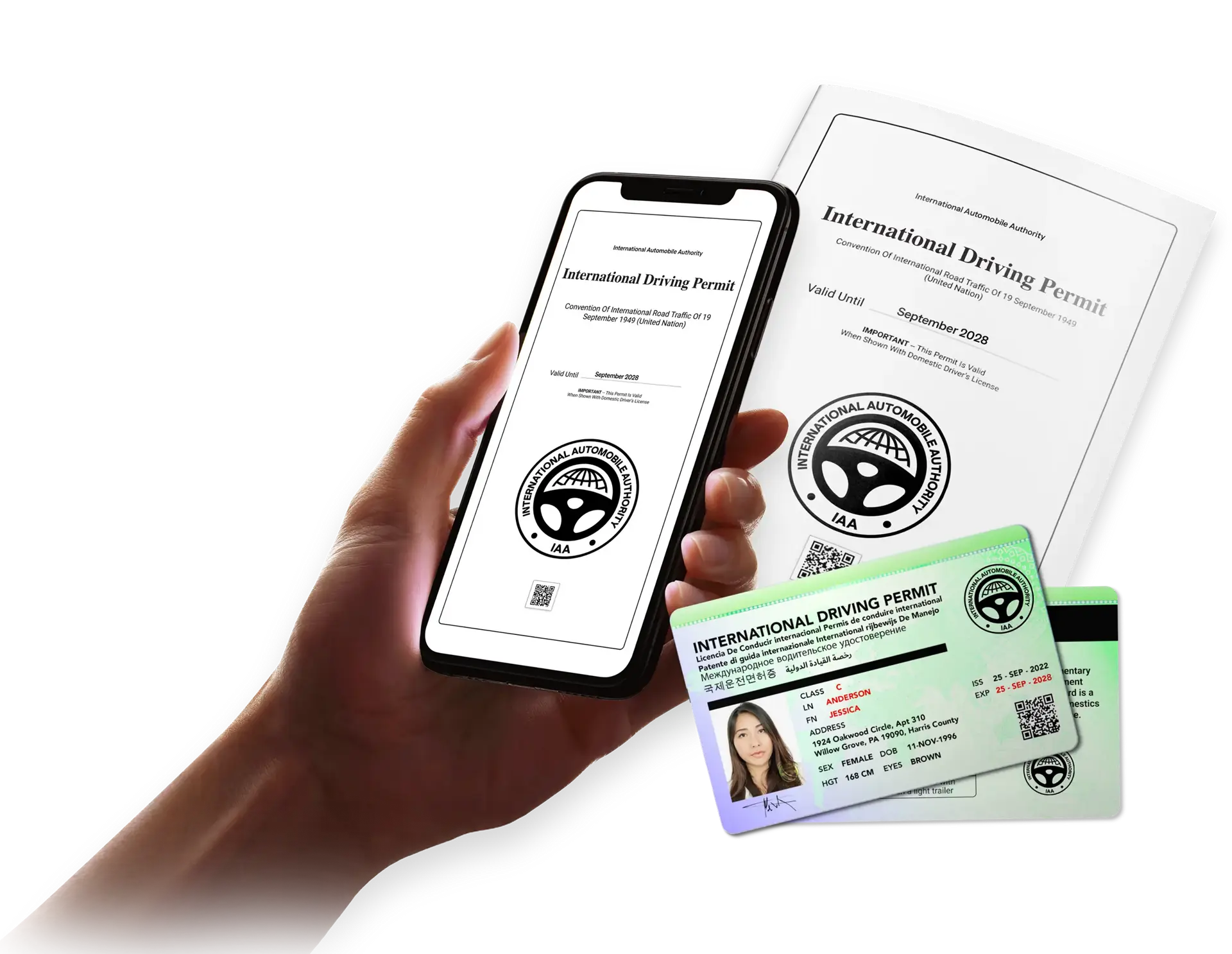
An International Driving Permit (or International Driving Document) is essentially a standardized translation of your driver's license into multiple languages. It doesn't replace your license — it accompanies it.
Where It's Legally Required
Several countries explicitly require international driving documentation by law:
- Italy: Required for non-EU license holders
- Spain: Legally required, though enforcement varies
- Portugal: Required for stays over 180 days, recommended for all visitors
- Germany: Required after 6 months of residence
- Greece: Required for non-EU licenses
- Brazil: Required alongside your home license
- Thailand: Technically required, heavily enforced in some areas
- UAE: Required for all foreign visitors
Where It's Practically Essential
Even in countries where an international document isn't strictly mandated by law, having one solves problems:
- Rental companies may refuse service without it
- Police checkpoints go faster when documents are easily readable
- Insurance claims are smoother when all your paperwork is in order
- In case of accidents, having proper documentation protects you legally
You can get your International Driving Document at internationaldrivingauthority.com/checkout in under 5 minutes. It's valid in 150+ countries and arrives as a digital document you can print or show on your phone — much faster than the traditional process.
Practical Driving Tips for Specific Situations
Navigating Roundabouts
If you're American, roundabouts probably aren't second nature. In Europe, they're everywhere. Key rules:
- Traffic already in the roundabout has right of way
- Enter when there's a safe gap
- Signal when exiting
- In multi-lane roundabouts, use the outer lane for immediate exits, inner lanes for further exits
- In left-hand traffic countries, roundabouts flow clockwise (opposite of what you'd expect)
Toll Roads and Vignettes
Many European countries charge for highway use, but the systems differ:
Toll roads with booths: France, Italy, Spain, Portugal — pay as you go or get a transponder from your rental company
Vignette systems: Switzerland, Austria, Czech Republic, Slovenia — you must purchase a sticker (or digital vignette) before entering highways. Driving without one results in hefty fines. In Switzerland, the annual vignette costs about 40 CHF and is required for all vehicles.
Parking Regulations
Parking rules are aggressively enforced in most tourist destinations:
- Blue zones require parking discs showing your arrival time
- Many historic city centers have restricted traffic zones (ZTL in Italy) — driving in without permission means automatic fines
- Parking in the wrong direction (against traffic flow) is illegal in most European countries
- Underground parking in cities is often the safest option for rental cars
Fuel Types and Stations
Know your rental car's fuel type before you fill up. Diesel is common in Europe and significantly cheaper than petrol, but putting petrol in a diesel engine (or vice versa) is an expensive mistake. Fuel station attendants in some countries don't pump gas for you — it's entirely self-service.
Also note that many rural areas have unstaffed stations that only accept chip-and-PIN cards. U.S. credit cards without chips may not work, so carry cash as backup.
How to Get Your International Driving Document
Getting an International Driving Document used to mean visiting AAA in person, filling out paperwork, and waiting for processing. Today, online options make it significantly easier.
What You Need
- A valid driver's license from your home country
- A passport-style photo
- Basic personal information
The Process
Through services like International Driving Authority, you can complete the application online, upload your documents, and receive a digital copy within minutes. You'll also receive a physical card by mail if you choose that option.
The digital version is accepted by rental companies and police in most countries, and having it on your phone means you'll never leave it at the hotel.
Validity Period
Most international driving documents are valid for one to three years, depending on the issuing organization and your home license expiration date. Check validity before each trip to ensure your document hasn't expired.
Insurance Considerations When Driving Abroad
Your U.S. auto insurance almost certainly doesn't cover you internationally. Here's what you need to understand:
Rental Company Insurance
Rental companies will offer several coverage options:
- CDW/LDW (Collision/Loss Damage Waiver): Covers damage to the rental vehicle
- Liability/Third Party: Covers damage you cause to other vehicles or property
- Personal Accident Insurance: Covers medical costs for you and passengers
- Theft Protection: Covers vehicle theft
Basic liability insurance is typically included or legally required, but often has a high deductible (excess). Additional coverage reduces or eliminates your out-of-pocket risk.
Credit Card Coverage
Many premium credit cards offer rental car coverage internationally, but read the fine print carefully. Coverage often excludes certain vehicle types (SUVs, luxury cars), certain countries, and rentals beyond 30 days. Some cards provide secondary coverage only, meaning your personal insurance pays first.
Third-Party Insurance
Companies like Allianz and World Nomads offer standalone rental car excess insurance that's often cheaper than the rental counter upsell. Purchase before your trip and bring proof of coverage.
Emergency Situations: What to Do
In Case of an Accident
- Stop immediately and check for injuries
- Call emergency services if anyone is hurt (112 works across the EU)
- Don't admit fault, even to be polite
- Exchange information with other parties: name, insurance, license plate
- Take photos of everything: damage, positions of vehicles, road conditions, license plates
- Contact your rental company immediately
- File a police report, even for minor accidents — you'll need it for insurance
- Keep all documentation
Breakdowns
Know your rental company's roadside assistance number before you need it. Most companies provide 24/7 support lines. Move to a safe location if possible, turn on hazard lights, and deploy warning triangles if required by local law.
Conclusion
Driving abroad rewards you with freedom and flexibility that no tour bus can match. But that freedom comes with responsibility — understanding local laws, carrying proper documentation, and preparing for the unexpected.
The most important thing you can do before your trip is get your paperwork in order. Make sure your license is valid, secure an International Driving Document for countries that require or recommend one, and verify your insurance coverage.
With the right preparation, driving in a foreign country transforms from intimidating to liberating. You'll see places most tourists never reach, eat at restaurants that don't have English menus, and collect the kind of stories that make travel worthwhile.
Safe travels — and enjoy the open road.
Frequently Asked Questions
Can I use my U.S. driver's license to drive anywhere in Europe?
Your U.S. license is generally valid for short-term driving in most European countries, but several nations — including Italy, Spain, and Greece — legally require an International Driving Permit or Document as an accompanying translation. Even where not legally required, rental companies and police checkpoints often expect to see one. For trips longer than 90 days, most countries require you to obtain a local license.
What happens if I get a ticket while driving abroad?
Most rental companies will charge your credit card for any traffic violations plus an administrative fee (typically €20-50). Tickets often arrive months after your trip because of processing delays. Some countries, including Italy and France, mail tickets directly to the rental company, which then passes the charge to you. Pay attention to speed cameras and parking restrictions to avoid unpleasant surprises.
Do I need an International Driving Document if I'm only renting for a few days?
The length of your rental doesn't change legal requirements. If a country requires international driving documentation, you need it whether you're renting for two days or two months. Additionally, having proper documentation makes interactions with rental agents and police significantly smoother, regardless of trip length.
Will my car insurance from home cover me when driving overseas?
Standard U.S. auto insurance policies typically don't provide coverage outside North America. You'll need to rely on rental company insurance, credit card coverage (if your card offers it), or third-party travel insurance that includes rental car protection. Always verify your coverage before assuming you're protected abroad.
What should I do if I'm stopped by police and don't speak the local language?
Stay calm and be respectful. Have all your documents ready: passport, driver's license, International Driving Document, rental agreement, and insurance papers. An International Driving Document is particularly helpful here because it translates your license information into multiple languages. Use translation apps if needed, speak slowly, and avoid any confrontational behavior. Most traffic stops are routine and resolve quickly when documentation is in order.