

Introduction
Car insurance in Japan is a legal requirement for all registered vehicles, making it essential knowledge for anyone planning to drive in the country. This comprehensive guide covers everything you need to understand about automobile insurance in Japan, from mandatory coverage requirements to selecting the right insurance company for your needs.
This guide addresses both compulsory automobile liability insurance and voluntary car insurance options, with specific attention to requirements for foreigners, leading providers, and the complete application process. Whether you’re an expat moving to Japan, a long-term resident purchasing your first vehicle, or someone transitioning from an international driver’s license to a Japanese driver’s license, this content addresses your specific situation and concerns about navigating the Japanese insurance system.
Japan requires mandatory liability insurance (known as jibaiseki hoken) for all vehicles, with voluntary automobile insurance highly recommended for comprehensive protection against traffic accidents, property damage, and personal injury beyond the basic legal minimums.
By reading this guide, you will:
- Understand the two-tier automobile insurance policy structure in Japan
- Know exactly what documentation and requirements apply to foreigners
- Learn how to compare car insurance companies and select appropriate coverage
- Navigate the application process confidently from start to finish
- Handle emergencies and accident procedures effectively
Understanding Car Insurance in Japan
Japan operates a two-tier insurance system that combines compulsory vehicle liability insurance with optional voluntary insurance coverage. Understanding this structure is fundamental to ensuring proper legal compliance while protecting yourself financially when driving in the country.
Mandatory Liability Insurance (Jibaiseki Hoken)
Compulsory automobile liability insurance, called jibaiseki hoken in Japanese, is legally required for all registered vehicles under Japanese law. This mandatory car liability insurance covers only third-party bodily injury and death resulting from traffic accidents—nothing more.
Operating a vehicle without this compulsory insurance carries severe penalties, including fines up to ¥500,000 and potential imprisonment for up to one year. The insurance is renewed during vehicle inspection (shaken) every two years, ensuring continuous coverage for all insured vehicles on Japanese roads.
Voluntary Insurance (Ninni Hoken)
Voluntary car insurance, or ninni hoken, is technically optional but highly recommended—over 80% of drivers in Japan carry this additional coverage. This voluntarily purchased protection extends far beyond mandatory insurance limits, covering property damage, personal injury coverage for the driver and passengers, theft, and damage to your own vehicle.
The relationship between mandatory and voluntary insurance forms a comprehensive protection strategy: compulsory insurance meets legal requirements and provides basic third-party protection, while optional car insurance fills the substantial coverage gaps that could otherwise result in significant financial exposure. The next section examines these coverage details more specifically.
Car Insurance Coverage and Benefits
Building on the insurance types explained above, understanding exact coverage limits and insurance benefits helps you make informed decisions about protection levels appropriate for your situation.
Mandatory Insurance Coverage Limits
Compulsory car liability insurance provides the following maximum coverage amounts per victim:
- Death: up to ¥30,000,000
- Bodily injury: up to ¥1,200,000
- Permanent disability: between ¥750,000 and ¥40,000,000 depending on severity
These limits apply only to bodily injury liability coverage for third parties. The mandatory insurance provides no property damage liability coverage, no protection for your own vehicle, and no coverage for injuries to the driver or passengers in the insured vehicle.
For serious car accident scenarios involving high medical costs, lost wages, or multiple injured parties, these coverage amounts may prove insufficient. A single severe accident can easily exceed ¥30,000,000 in total damages, leaving the at-fault driver personally liable for the difference.
Voluntary Insurance Coverage Options
Voluntary automobile insurance addresses the gaps in compulsory coverage through several layers of protection. Third-party liability insurance under voluntary policies often provides unlimited or very high coverage amounts for bodily injury beyond mandatory limits.
Property damage liability insurance covers damage to other vehicles, buildings, and other property—coverage entirely absent from mandatory insurance. This property damage liability coverage proves essential since even minor collisions can result in expensive repairs to other vehicles.
Personal injury coverage protects the driver and all passengers in your vehicle, providing compensation for medical expenses, lost wages, and disability regardless of fault determination in the accident.
Additional Protection Features
Comprehensive voluntary insurance policies typically include vehicle damage coverage for your own car, protecting against collision damage, fire, theft, and natural disasters. Roadside assistance provides emergency services including towing, battery jump-starts, and lockout assistance.
Additional coverage options include legal fee coverage for accident-related legal proceedings, rental car reimbursement while your vehicle is being repaired, and telematics-based discounts that reward safe driving behavior. These features, combined with core coverage, create the recommended coverage structure most drivers in Japan choose. The following section explains how to obtain this protection.
Getting Car Insurance in Japan: Requirements and Process
With coverage options understood, the practical steps of obtaining insurance in Japan require specific documentation and following established procedures—particularly important for foreigners navigating the system.
Documentation Requirements for Foreigners
Before applying for automobile insurance in Japan, gather these essential documents:
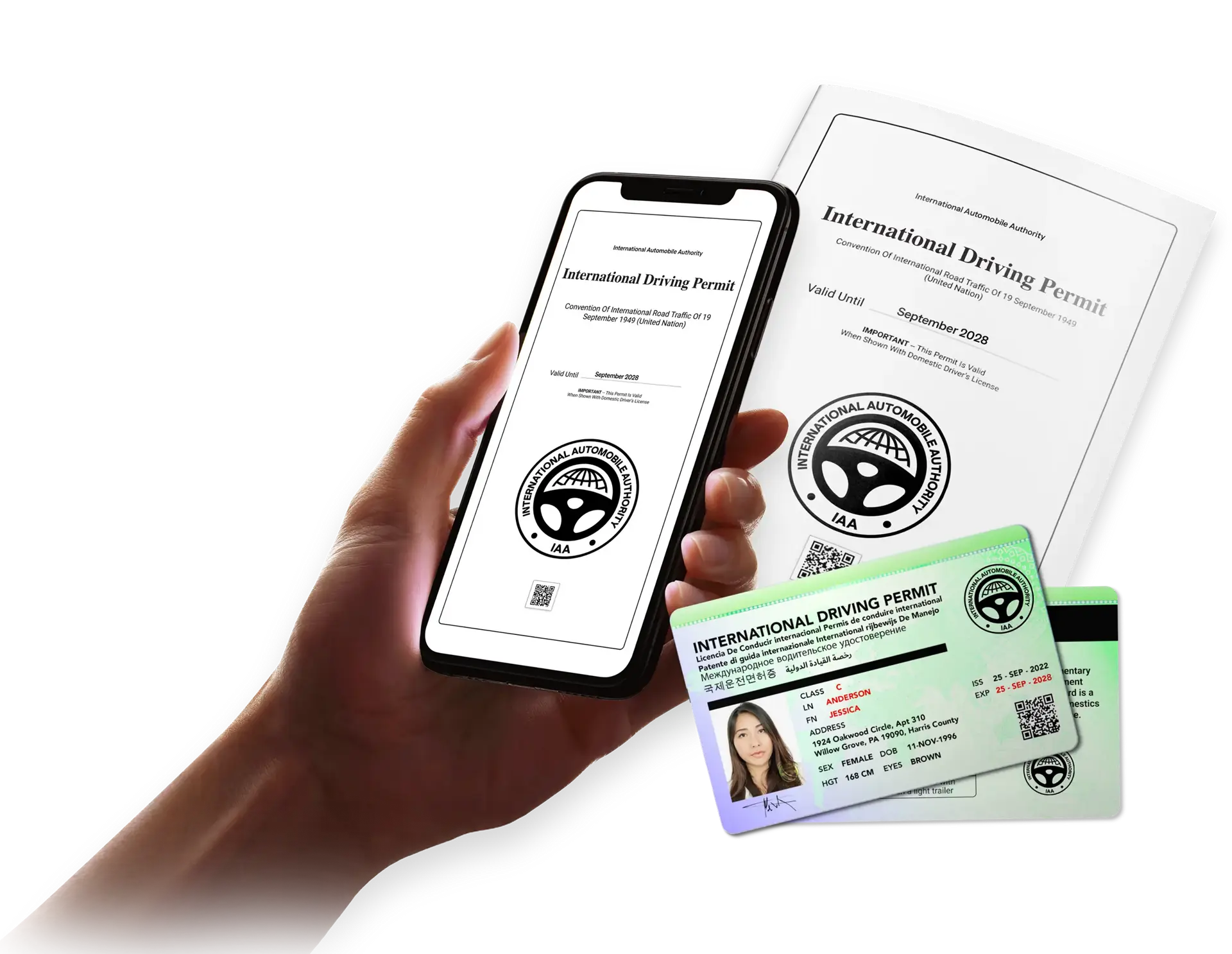
- Valid driver’s license: A Japanese driver’s license, international driver’s license from a Geneva Convention signatory country, or a converted foreign license from your home country. Note that international permits are typically valid for up to one year, after which you’ll need a Japanese one.
- Vehicle registration certificate (shaken): This document proves your vehicle is legally registered and has passed inspection. Your mandatory insurance ties directly to this registration.
- Residence card (Zairyu Card): Proof of your legal status in Japan is required by all insurance providers.
- Japanese bank account: Most car insurance companies require a Japanese bank account for premium payments, though some accept credit card payments.
- Personal seal (inkan): Some insurers may require your registered seal for application documents.
Application Process
Obtaining insurance in Japan follows a straightforward procedure whether you apply online or through an agent:
- Research and compare providers: Use comparison websites and gather quotes from multiple car insurance companies. Online tools can help estimate costs based on your vehicle type, estimated annual mileage, and driver profile.
- Gather required documentation: Compile all necessary documents including your driver’s license, vehicle registration, and residence information. Verify your license status and any restrictions.
- Complete application: Submit your application online through a direct insurer or work with an agent at a dealership or insurance office. Declare all drivers who will operate the vehicle and identify the primary driver.
- Review policy terms: Carefully examine coverage details, exclusions, deductibles, and premium payment schedules. Request translation assistance if needed.
- Finalize and receive documents: Complete premium payments, receive your insurance policy documents, and obtain proof of coverage to keep in your vehicle.
Cost Factors and Premium Calculations
Factor | Impact on Premium | Typical Range |
|---|---|---|
Driver Age | Younger and inexperienced drivers pay significantly more | 20-year-old vs 65-year-old can vary depending on risk profile by 5x or more |
Estimated Annual Mileage | Higher mileage increases cost proportionally | 10-30% variation based on driving frequency |
Vehicle Type | Kei-cars cost less; luxury and high-displacement vehicles cost more | 15-50% variation |
Coverage Level | Comprehensive packages cost more than basic protection | ¥50,000-¥150,000 annually for most private vehicles |
No-Claim Discount Grade | Safe driving history reduces premiums over time | Up to 60-65% discount at highest grades |
Insurance premiums for voluntary coverage typically range from ¥50,000 to ¥150,000 annually for personal use vehicles, with significant variation based on driver profile and coverage selections. Most new policyholders start around Grade 6 in the no-claim discount system, with premium rates improving through claim-free years. Maintaining affordable premiums over time depends heavily on safe driving and avoiding claims that would lower your grade.
Common Challenges and Solutions
Foreigners face specific obstacles when dealing with insurance in Japan, but practical solutions exist for each common challenge.
Language Barriers in Policy Understanding
Select providers offering multilingual support to overcome communication difficulties. Sony Insurance, Mitsui Direct General Insurance, and Saison Car insurance offer English documentation and customer service support. For comprehensive assistance, consider having a Japanese-speaking family member listed as a contact person on your policy, or use professional translation services for reviewing coverage details before signing.
Navigating Accident Procedures
If a car accident occurs, contact police immediately at 110—this step is mandatory regardless of accident severity. Exchange information with other parties including names, contact details, license plate numbers, and insurance policy information. Japanese insurers often provide 24-hour accident hotlines with interpreter service support available for foreigners. Obtain the traffic accident certificate (koutsu-jiko shomeisho) from police, as this document is essential for any insurance payment claims.
Understanding Premium Calculations
To find competitive premiums, compare multiple providers using online quote tools like Kakaku.com (primarily in Japanese) or request quotes directly from foreigner-friendly insurers. If you drive infrequently, focus on providers offering mileage-based premium structures to keep intermediate costs lower. Review how different coverage amounts affect your total premium to balance protection against budget constraints.
Conclusion and Next Steps
Automobile insurance in Japan combines mandatory liability insurance that meets legal requirements with voluntary insurance that provides the comprehensive protection most drivers need. While compulsory insurance covers only third-party bodily injury with limited amounts, voluntary coverage fills critical gaps including property damage, personal injury, and vehicle protection.
Take these immediate steps to secure proper coverage:
- Obtain or convert your driver’s license to meet Japanese requirements
- Research insurance providers with multilingual support appropriate for your needs
- Gather all required documentation including vehicle registration and residence card
- Compare quotes from multiple providers considering your driving patterns
- Apply for coverage and maintain proof of insurance in your vehicle
Related topics worth exploring include the vehicle registration (shaken) process in Japan, procedures for converting international driving permits to Japanese licenses, and detailed accident procedures for cover accidents involving other vehicles or property.
Additional Resources
Top Insurance Providers with Multilingual Support:
- Tokio Marine & Nichido: 24/7 English interpreter hotline available
- Sompo Japan: English customer service line for accident reporting
- Sony Insurance: Online quotes and English documentation
- Mitsui Direct General Insurance: Direct insurer with competitive premiums
- Saison Car Insurance: Usage-based premium options
Government Resources:
- Ministry of Land, Infrastructure, Transport and Tourism (MLIT): Regulations on mandatory insurance and shaken requirements
- Local prefectural police: Traffic accident certificates and reporting procedures
Comparison Tools:
- Kakaku.com: Insurance comparison calculator (Japanese)
- Direct insurer websites: Individual quote tools with some English support
Premium costs for mandatory insurance remain standardized at approximately ¥17,650 for 24 months for regular private vehicles, regardless of which provider issues the policy. Focus your comparison efforts on voluntary insurance where premium rates and coverage options vary depending on the insurance company selected.