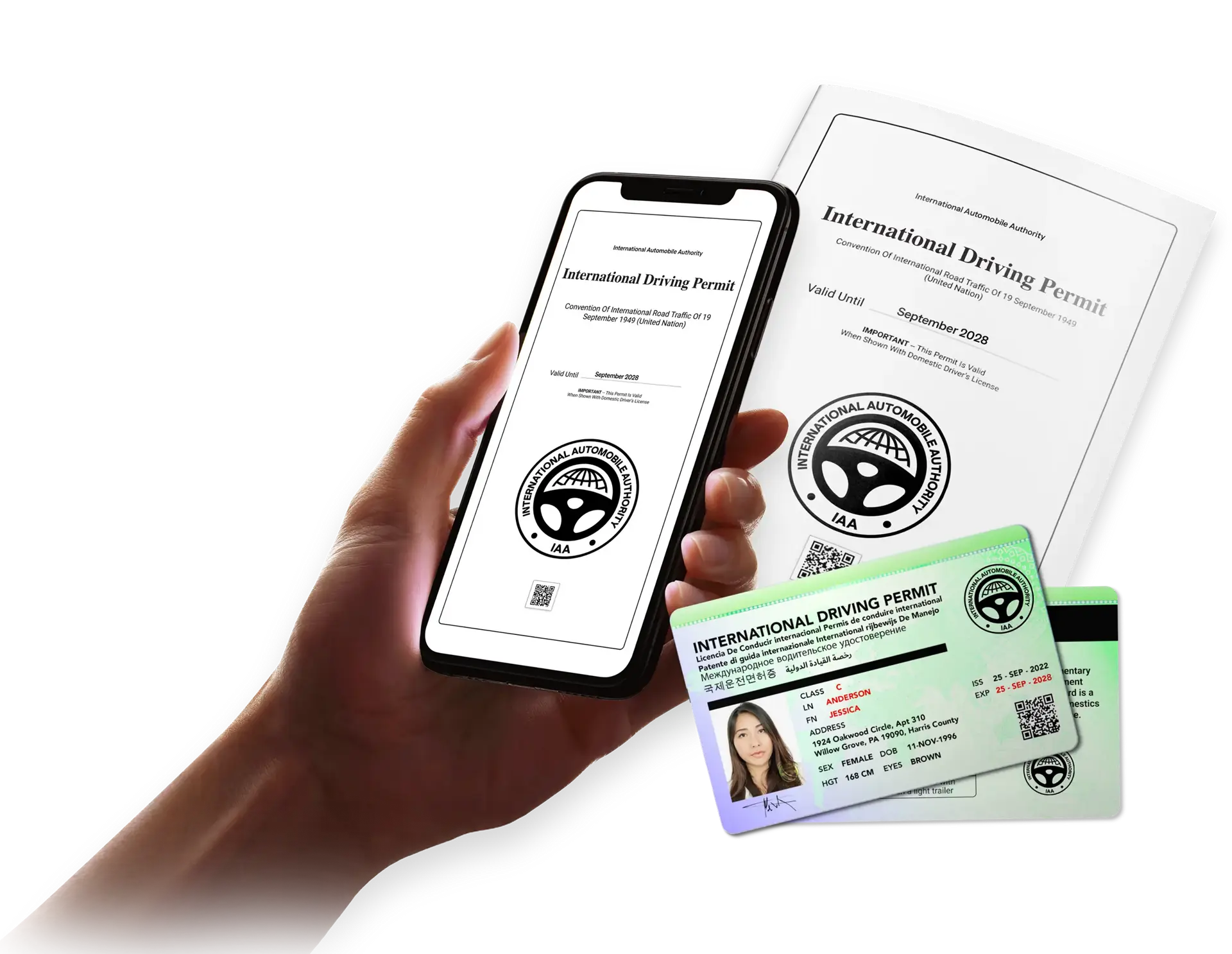


Planning to drive abroad this year? The question of whether you need a digital or physical international driving permit is creating real confusion for travelers. Here’s what you need to know before your next trip.
Quick Answer: Can I Use a Digital IDP Instead of a Physical Booklet?
As of 2026, most border police and rental desks only accept a physical IDP booklet under the 1949/1968 UN Conventions. The American Automobile Touring Alliance states definitively that “there is no digital version of an IDP” and that physical documents remain “the only format recognized by authorities abroad.”
Key facts:
- A physical IDP booklet is the only format explicitly referenced in international road traffic conventions
- Many “digital IDPs” sold online are commercial translations, not officially recognized permits
- A photo or scan of a physical IDP is generally treated as a backup copy, not a legal document
- You should plan to carry the physical IDP if any authority or car rental company says an IDP is required
Digital formats may help for convenience and storage, but they do not yet replace the tangible document in most countries.
What Is an International Driving Permit (IDP)?
An international driving permit is only a translation of your domestic driving licence into multiple languages—typically 9 to 10. It is not a standalone licence.
- Must always be carried together with your original licence from your home country
- Based on the 1949 Geneva Convention or 1968 Vienna Convention on Road Traffic
- Recognized in over 150 countries worldwide, including destinations in Europe, Asia, Africa, and South America
- Example: a US driver’s license plus IDP used to rent a car in Spain, Japan, or the UAE
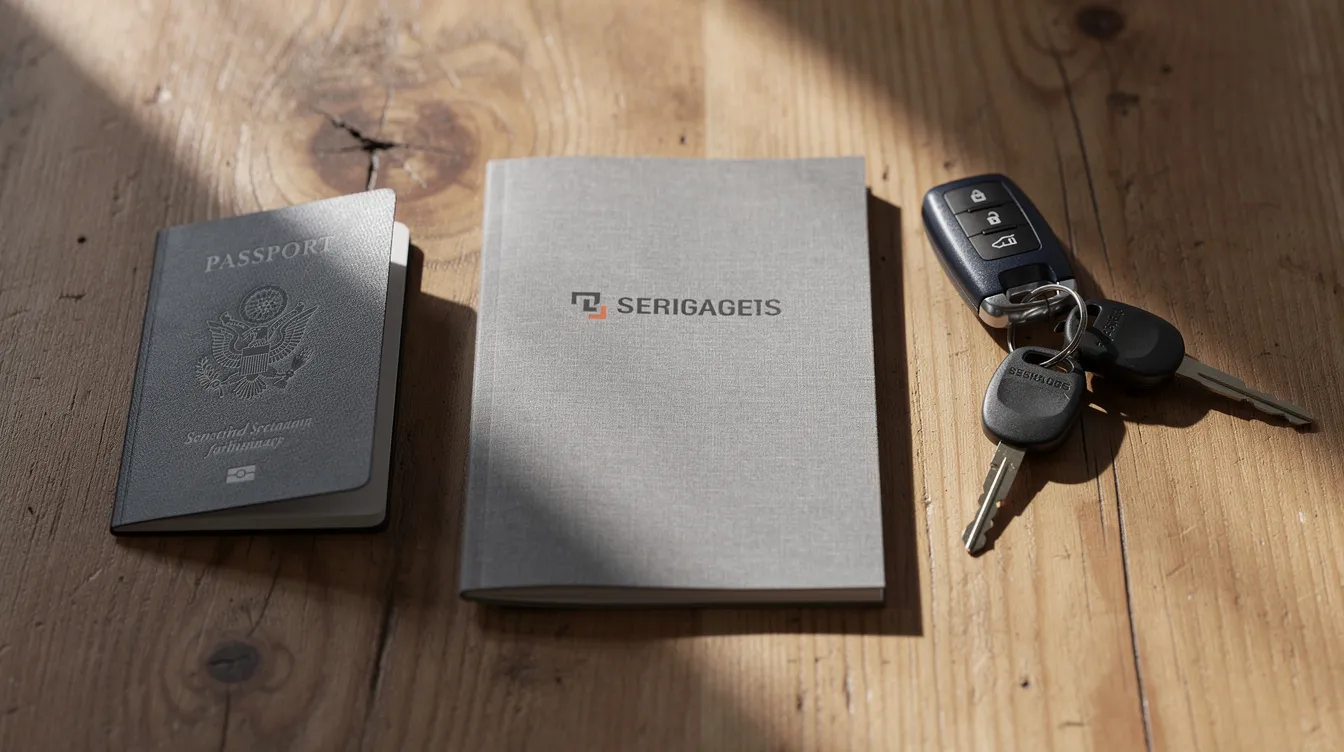
The document itself is usually a small A6 paper booklet with a grey or light-colored cover, serial number, and your driver information translated into recognizable form.
Why Do I Need an IDP to Drive Abroad in 2026?
Requirements differ by country and by rental company. Many countries require an IDP for tourists to drive legally:
- Italy, Japan, UAE, Thailand: Do not accept a foreign licence alone; explicitly require an IDP
- Car rental companies: Often require an IDP even where local driver’s licensing laws are ambiguous
- Non-Latin scripts: The IDP helps police and rental staff read Arabic, Cyrillic, Chinese, or Japanese licences through local language translation
Real-world risks include fines, vehicle impoundment, being refused a car hire, or invalid insurance. As of 2026, Japan requires a 1949 IDP for most visitors whose licences are not in Japanese.
Note that long-term residents living permanently abroad usually must obtain a local license after 6–12 months.
Digital vs Physical IDP: What’s the Actual Difference?
Here’s the core comparison:
Feature | Physical IDP | Digital IDP |
|---|---|---|
Format | Official booklet, serialized and stamped | PDF, app, wallet pass, or image on phone |
Legal status | Explicitly recognized by United Nations conventions | Often undefined legal status |
Acceptance | Widely accepted at roadside checks and rental desks | Rarely accepted as primary document |
Security | Harder to forge with official seals | Easy to manipulate |
Some countries are experimenting with digital driving licences for residents (EU digital wallet initiatives, U.S. state mobile IDs), but these are domestic documents—different from a UN-model IDP used for driving in foreign countries.
Pros and Cons of a Physical IDP
Advantages:
- Highest acceptance worldwide in 2026 at police stops, border crossings, and rental counters
- Tangible document easy for a law enforcement officer to verify against your passport
- No reliance on battery power, mobile data, or internet connectivity
- Often explicitly required by rental contracts in Italy, Croatia, Japan, and the UAE
Disadvantages:
- Can be lost, stolen, or damaged abroad
- Requires advance planning to obtain before departure
- Additional cost (around USD $20–$30 plus digital passport photo and applicable shipping)
- Limited validity: 1 year under 1949 model, up to 3 years under 1968 model
Pros and Cons of a Digital IDP or Digital Copy
Advantages:
- Immediate access on your smartphone
- Useful backup if the physical IDP is lost
- Convenient for online car rental check-in processes
- Environmentally friendlier with less paper
Disadvantages:
- In 2026, rarely recognized as primary legal document by traffic police
- Easy to forge, making foreign authorities reluctant to accept screenshots
- Dependent on working hardware and battery
- Some “digital IDP” vendors are not authorized by any certain country’s government
Example: A traveler arriving in Florida with only a digital copy may be refused a vehicle at the counter if the rental desk requires “original documents.”
Legal Recognition: What Do Current Rules Say About Digital vs Physical IDPs?
Both the 1949 and 1968 road traffic conventions describe a paper-based permit—not a digital file. Most countries’ implementing laws still specify that a permit must be presented in original form.
- Many EU and Schengen states expect a paper IDP when they require one
- Rental suppliers in Florida usually insist on the physical booklet from non-English licence holders
- If a rental contract states “original IDP required,” a digital format alone will not satisfy the rule
Some jurisdictions accept national digital driving licences for residents, but these are governed by different rules than international permits.

How Different Destinations Treat Digital vs Physical IDPs
Europe: Many EU/EEA countries accept EU-format licences without IDP. However, rental firms in Italy, Spain, and Croatia commonly insist on a physical IDP from non-EU drivers whose licences are not in Latin script.
North America: In the U.S., state rules vary. Florida rental suppliers typically require the original physical IDP booklet; digital copies are treated as backups only. Canada often allows visitors with English or French licences to drive without IDP, but car rental companies located there can set stricter rules.
Asia & Middle East: Countries like Japan and South Korea often require a 1949 IDP. Gulf states such as the UAE recognize the physical IDP when paired with a valid foreign licence.
South America: Many South American countries accept the 1949 IDP. Local enforcement can be inconsistent, so the safest approach remains carrying the physical booklet.
In all regions, digital IDPs are supplemental at best—with no guarantee of acceptance.
Common Myths About Digital IDPs
Myth | Reality |
|---|---|
“A digital IDP is universally accepted” | Acceptance depends on local law; most countries require the paper booklet |
“If a website sells it, it’s government-approved” | Only organizations designated by your country’s government can issue IDPs officially |
“A scan on my phone equals carrying the document” | Digital copies are treated like photocopies—helpful but rarely sufficient |
“Countries with digital licences accept digital IDPs” | Domestic digital licences and international permits follow different systems |
Practical Scenarios: When a Physical IDP Is Essential and When Digital Can Help
Scenario 1: Non-English Licence in Europe Renting with a Chinese licence in Italy? Physical IDP is mandatory. Digital versions won’t satisfy “original documents” requirements.
Scenario 2: Florida Rental Some desks request a physical booklet even when state law is ambiguous. A digital copy may clarify details but won’t complete the requirement.
Scenario 3: Cross-Border Road Trip Driving from Germany through Eastern Europe into Turkey? Physical IDP strongly recommended due to varied checks. Digital serves as backup only.
Scenario 4: Urban Trip Without Driving Using public transport in Paris or Tokyo? You may not need an IDP prior to arrival at all—neither format matters if you’re not driving.
How to Apply for a Physical IDP in 2026
Eligibility:
- Minimum age usually 18
- Must hold a valid full driving licence
- Apply depending on which country issued your licence—the same country where you apply
Documents required:
- Completed application form from your national automobile club
- 1–2 passport-style photos
- Photocopy of both sides of your valid driving licence
- Application fee (around USD $20–$30)
Channels:
- In-person at automobile clubs for same-day issuance
- By mail or courier (1–4 days processing plus shipping method transit time)
- Online application process available, but result is still a mailed physical booklet
Apply at least 3–4 weeks before departure.
Can You Apply for an IDP Online and Still Get a Physical Booklet?
Yes—many authorized automobile clubs allow you to apply online and upload documents via web portal. However:
- The IDP issued is still a physical paper booklet mailed to your address
- You’ll upload digital scans of your licence and photo, but receive a tangible document
- Authorities never email valid IDPs as PDFs—any such claim is a red flag
- Verify the website is listed on your government’s transport site as an official provider
Online application offers convenience without implying that digital IDPs have legal recognition.
Cost, Validity, and Renewal Considerations
Convention | Typical Cost | Validity |
|---|---|---|
1949 IDP | USD $20–$40 | Up to 1 year |
1968 IDP | USD $20–$40 | Up to 3 years |
Both are capped by your underlying licence validity. Some countries officially recognize IDPs only for short tourist stays.
“Digital IDPs” from unofficial providers may have no recognized validity at all—regardless of vendor promises. Renew your IDP shortly before major trips.
Safety, Fraud, and Data Protection Issues with Digital IDs
The rise of “instant digital IDP” websites creates real risks:
- Many are not authorized by any government
- Sharing passport scans and licence images with unvetted providers risks identity theft
To verify legitimacy:
- Cross-check against official transport ministry or automobile club lists
- Look for physical office addresses, not just app-store listings
Security tips:
- Store digital copies in encrypted phone storage or secure cloud
- Use device PINs and biometrics to protect files
- Treat digital convenience as secondary to legal compliance
Best Practice Checklist: Combining Digital Convenience with Physical Compliance
Before booking:
- Check your destination’s official government site for current requirements
- Review rental company terms for “original IDP required” language
Before travel:
- Apply for a physical IDP in time to receive it (3–4 weeks for mail)
- Verify your domestic licence remains valid for your entire trip
- Make high-quality scans of your licence, passport, and IDP; store securely
On the road:
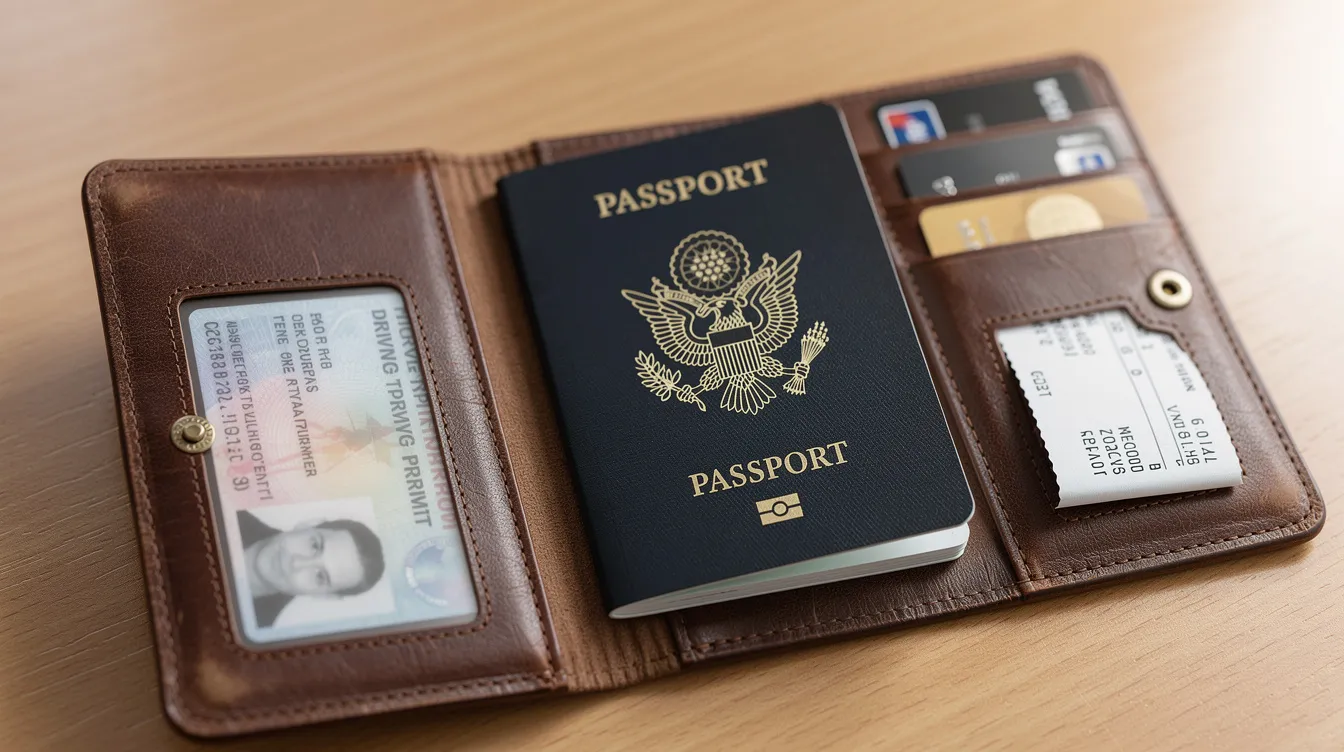
- Always carry your original licence, passport, and physical IDP booklet
- Use digital copies only as backup reference
- Keep documents organized in a waterproof pouch
Conclusion: Should You Choose a Digital or Physical IDP?
Under current 2026 rules, a physical IDP booklet remains the only form of identification with valid form accepted worldwide for international driving. Digital copies and “digital IDPs” are optional extras for convenience—not substitutes for legal compliance.
The safest strategy: carry a valid IDP in physical form plus secure digital backups. Check official guidance for each trip, as standards may evolve.
If you must choose one, choose the physical IDP. If you can, use both—physical for legality, digital for convenience.