

Every country has its own driving code, mixing familiar rules with regulations that might catch you completely off guard. While speed limits and seatbelt requirements exist everywhere, the specifics vary dramatically—and some laws seem downright strange to outsiders.
Consider this: in Cyprus, drinking water while driving earns you an €85 fine. Japan has penalized drivers who splash pedestrians with muddy water since 1960, with fines around 7,000 yen. In the UK, using your phone at a drive through while your engine runs is strictly prohibited. Understanding driving laws around the world matters for avoiding penalties, respecting local customs, and staying safe. This guide covers core rules plus some of the weirdest laws you’ll encounter. All information is current as of 2026.
Left vs Right: Which Side of the Road Do Countries Drive On?
Roughly two-thirds of the world drives on the right, while one-third drives on the left—a split with deep historical roots.
Right-side driving countries:
- US, Canada, most of Europe (Germany, France, Italy, Spain)
- China, Russia, and most of South America
- Speed signs typically in km/h except US (mph)
Left-side driving countries:
- UK, Ireland, Australia, New Zealand, Japan, India, South Africa
- Many former British colonies maintain this tradition
The UK’s left-side rule traces back to medieval times when sword-carrying knights passed on the right. Japan adopted left-side driving through British influence on 19th-century railways. Before your trip abroad, confirm the side of road and check your rental car’s seating position—switching sides is hardest at junctions and roundabouts.
Right of Way, Yielding and Stopping Rules
Right-of-way rules create significant confusion for visiting motorists. In roundabout systems, the UK and most of Europe require yielding to traffic already circulating.
- Germany: The “priority to the right” (Vorfahrt) rule applies on unmarked residential intersections unless signage overrides it
- France and Italy: Older “priorité à droite” rules still apply in some town centers—watch for yield markings
- US and Canada: Four-way stops operate first-come, first-served; if vehicles arrive simultaneously, yield to the right
- Parts of India and Vietnam: Practical right-of-way often follows “larger vehicle wins” despite written law
Always obey local police hand signals over traffic lights—this legal requirement is explicitly written into codes in Germany, UK, and many other countries.
Lane Changes, Signaling and Overtaking Etiquette
Indicator use is a legal requirement nearly everywhere, though driving etiquette differs significantly between regions.
- UK: The highway code mandates “mirror–signal–manoeuvre,” with early signaling before any lane change
- Germany: Strict Autobahn discipline requires keeping right except when overtaking, with severe penalties for tailgating or undertaking
- Australia and New Zealand: Signaling well in advance is mandatory, with fines for failing to indicate
- Bus lanes and HOV lanes: Unauthorized driving in these across Europe and North America triggers camera-enforced fines
Roundabouts and Turning on Red
Roundabouts and red-light rules represent major differences between driving cultures in different countries.
Standard roundabout protocol—yield to circulating traffic, enter when safe, signal before exiting—applies in the UK, France, Germany, and Australia. The US and Canada use far fewer roundabouts, relying instead on signalized intersections.
- US and Canada: Right turn on red is generally permitted after a full stop unless signs prohibit it
- Germany and France: Right on red is illegal except when a small green arrow sign explicitly allows it
- UK: No turn on red whatsoever—red means stop until the light changes
- Japan: Standard rules don’t allow free “right on red” movements; specific arrow signals may permit turns after stopping
Speed Limits, Alcohol & Drug Rules, and Mobile Devices
Speed, impairment, and distraction form the core of road safety regulations worldwide, heavily enforced with cameras and roadside checks.
Speed limits:
- UK: 70 mph motorways, 60 mph single carriageways, 20–40 mph built-up areas
- Continental Europe: 120–130 km/h motorways, 50 km/h towns
- Germany: Advisory 130 km/h on some Autobahn sections, but many stretches now have fixed limits
Blood Alcohol Concentration (BAC) limits:
- 0.08% in US and UK
- 0.05% in Australia, Germany, and France
- 0.03% in Japan
- UK drink-driving brings a minimum 12-month ban and unlimited fine
Mobile devices: Handheld phone use is illegal in the UK, much of Europe, Australia, and many US states. UK law covers phone use even while stationary at lights.
Honking, Noise and Cultural Driving Etiquette
Horn use reflects both safety concerns and cultural attitudes toward public space.
- Japan: Honking is legally restricted to emergencies and socially frowned upon as impolite
- UK: Horn use is prohibited in built-up areas between 23:30 and 07:00 except in danger
- India, Egypt, parts of Latin America: Frequent honking serves as informal signaling language
- Switzerland: Even car door slamming at night is discouraged in some cantons
Thailand bans driving topless as public indecency, while Germany treats the car interior as private space where nudity alone isn’t automatically illegal—though causing distraction can be penalized.
Device Use, Safety Equipment and Vehicle Requirements
Many European countries require drivers to carry safety items beyond standard equipment.
- France, Spain, Italy, Germany: Reflective vests, warning triangles, spare bulbs, and sometimes first-aid kits or snow chains
- France breathalyzer rule: Introduced in the 2010s but fines indefinitely postponed—still widely recommended to carry
- Spain: Drivers must wear corrective lenses if noted on their license
- Sweden: Headlights required 24 hours daily, even during summer
- Ontario, Canada: Horse-drawn sleighs must have at least two bells—illustrating how older regulations remain on the books
- In-car screens: Watching videos within the driver’s view is prohibited in UK, EU, and most US states
Strange and Unusual Driving Laws Around the World
Some strange driving laws seem bizarre today but often began as serious responses to local problems.
- Japan (splash pedestrians): Since 1960, drivers who splash pedestrians face fines around 7,000 yen plus potential liability for damaged clothing
- Denmark: Drivers must check for children hiding under or around vehicles before departure
- Cyprus: Consuming any food or drink—even drinking water—while driving brings a hefty fine
- Russia and UK (dirty plates): Both fine drivers for obscured license plates; muddy number plates trigger on-the-spot penalties
- Switzerland: Slamming car doors at night and using pressure washers on Sundays is discouraged in some cantons
- UK: Sleeping in your car while over the alcohol limit is illegal—you’re “in charge” of the vehicle

City- and Region-Specific Oddities
Many unusual driving laws are hyper-local bylaws that can catch visitors off guard.
- Manila, Philippines: The “vehicle volume reduction program” since 1995 restricts cars based on license plate ending—plates ending in 1 or 2 cannot drive Mondays during peak hours, with 300 Pesos fines
- Maine, USA: Local ordinances historically reserved specific Dunkin Donuts parking spaces for police vehicles
- Denver, Colorado: An old law banning black cars on certain streets on Sundays remains on the books but unenforced
- San Francisco: Ordinances ban cleaning vehicles with unsanitary items like used underwear
- Beijing: Other vehicles must not stop directly on certain marked crossings
- Ontario, Canada: Horse-drawn sleighs require bells for audible warning
Attire, Behaviour and “Road Manners” Laws
Beyond mechanics, jurisdictions legislate clothing, conduct, and road rage.
- Thailand: Drive topless and face small fines and police warnings for public indecency
- UK: Aggressive driving and deliberate road rage can be prosecuted as careless or disorderly conduct
- Rockville, Maryland: Public swearing near roads is a misdemeanor partly aimed at curbing aggressive behavior toward other drivers
- Finland: Taxi radios playing music count as “public performance”—drivers pay annual royalties or face penalties
Practical Tips for Driving Abroad
Preparation prevents penalties when driving abroad.
- Check official government transport ministry websites and embassy guidance before visiting
- Confirm: side of road, speed units (mph vs km/h), local BAC limit, phone restrictions, mandatory equipment
- Rent cars with navigation displaying local speed limits where permitted
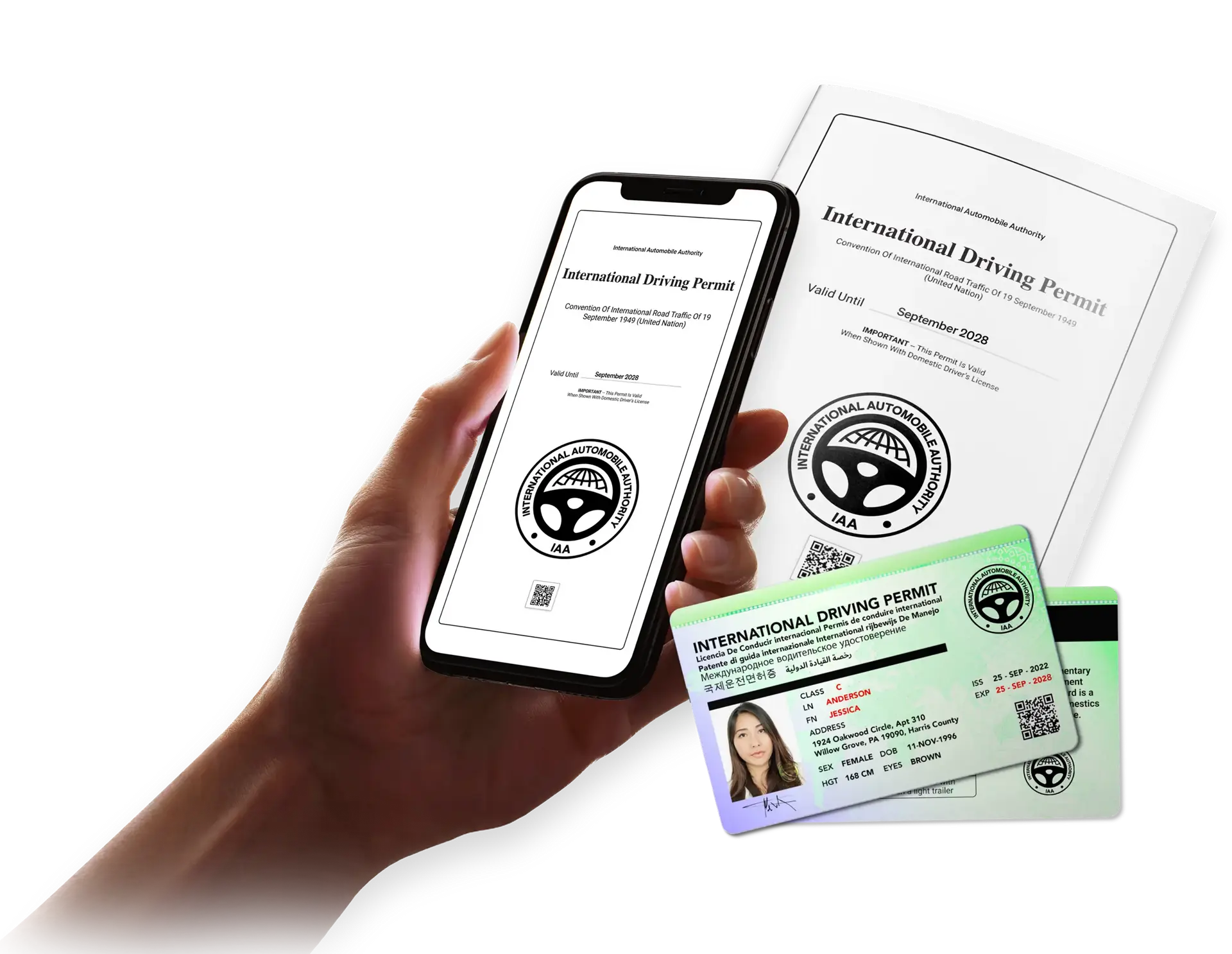
- Obtain an international driving permit for countries like Japan or Italy
- Verify rental insurance covers camera tickets and minor infractions
As driver-assistance systems, e-scooters, and autonomous vehicles spread, expect rapid changes in traffic laws worldwide. Always research current rules before your journey—understanding local driving rules shows respect and keeps you safe on roads around the world.