

Getting behind the wheel is a rite of passage in most countries, but the path to legally drive varies dramatically depending on where you are. Some nations demand months of training, stringent driving tests, and hundreds of dollars in fees. Others let you walk out with a valid license after minimal paperwork and a quick exam.
This guide breaks down the easiest countries to get a driver’s license, explains how rankings are determined, and helps you understand what “easy” actually means for prospective drivers around the world.
Quick Answer: Top 5 Easiest Countries to Get a Driver’s License
If you’re looking for the short version, here are the five countries where obtaining a driver’s license is generally the simplest:
- Mexico – Often no practical driving test required; minimum age as low as 15; costs around $30-35 for a 5-year license in many states
- Qatar – Driving age starts at 14 for some categories; test costs approximately £30; both theory and practical exams required but affordable
- Latvia – Europe’s easiest option; test fees around £26; multilingual support available
- United States – No federal mandate for professional driving lessons; most states allow learners at 15-16; flexible state-by-state rules
- Canada – Structured graduated licensing but affordable; learner’s permit available at 16 in most provinces; clear progression system
It’s worth noting that “easy” here refers to lower cost, fewer bureaucratic steps, and lighter training requirements. This doesn’t necessarily translate to safer roads or better-prepared drivers.
Rules change frequently across all these nations. Before you start driving through any licensing process, verify current regulations with local transport authorities—what applied in 2024 may look different by late 2025.
How We Ranked the Easiest Countries
Understanding how these rankings work helps you evaluate whether a country is truly accessible for your situation.
- Core metrics: Rankings typically assess minimum driving age, exam costs, whether theory and practical tests are required, and mandatory lesson hours. Countries scoring favorably across multiple factors rank as “easier.”
- Age thresholds matter: Nations allowing driving at 14-15 years old automatically score higher than those with 18-year minimums common in many European countries.
- Cost is a major factor: The global spectrum runs from under £30 for complete licensing in the cheapest markets to over £800 in the most demanding systems. A 2025 benchmark shows Mexico, Qatar, and Latvia clustering at the affordable end.
- Data sources: Rankings draw from government transport ministries, international driving studies, and insurance industry research from 2023-2025. These provide reasonably current snapshots but aren’t legally binding.
- Regional variation: A single country can have vastly different rules by state, province, or emirate. One Mexican state might require a road test while another accepts theory only. Always drill down to local requirements.
Mexico – Often the World’s Easiest Place to Get a License
Mexico consistently appears at the top of global rankings for licensing ease. The combination of minimal testing, young minimum age, and low fees makes it the easiest country for many applicants.
- Minimum driving age: Many Mexican states allow driving at 15, which is significantly younger than the 18-year legal requirement in most European countries and several other nations worldwide.
- Testing requirements: Prior to 2018, Mexico had virtually no formal testing—applicants could obtain a license through paperwork and payment alone. Even after reforms, a large portion of states still require only a written test with no practical exam.
- Concrete costs: A 5-year license in states like Morelos costs around 686 pesos (approximately US$30-35). Similar affordable fees apply across many regions in 2025.
- State-based variation: Requirements differ significantly by state. Mexico City, Jalisco, and Nuevo León each have their own rules about whether you need a practical test, medical exam, or proof of a driving course. Don’t assume one state’s rules apply everywhere.
- Safety consideration: While the process is simple and cheap, road safety outcomes vary. If you’re planning to drive regularly, investing in professional training remains wise regardless of what the law demands.

Qatar – Very Young Driving Age and Low Test Costs
Qatar routinely ranks among the easiest places to learn to drive, primarily due to its remarkably young age threshold and affordable testing fees.
- Minimum age: Qatar has historically allowed learners from around age 14 for certain license types—nearly half a decade younger than the global average of 18. This is one of the youngest legal driving ages in the world.
- Test costs: The combined theory test and practical exam costs approximately £30-£40 based on 2024-2025 data. This is less than half the global average of £75 for licensing exams.
- Testing structure: Unlike Mexico, Qatar does require both theory and practical driving test components. However, the low cost and streamlined process keep it firmly in the “easy” category for prospective drivers.
- Training options: Most applicants attend private driving schools in Doha and other cities. Training packages are structured but don’t demand excessive hours, keeping total costs manageable.
- Expatriate note: If you’re not a Qatari citizen, you’ll typically need a valid residence permit to obtain a local license. Casual visitors generally cannot apply for driving licences in Qatar.
Latvia – Easiest in Europe to Learn to Drive
Latvia stands out as the easiest European country to obtain a driver’s license, ranking just behind Mexico and Qatar on most global indexes.
- Minimum driving age: Learners can begin at 16 for certain vehicle categories, which is younger than several neighboring EU member states require.
- Test costs: Official exam fees run approximately £25-£30 per attempt—dramatically cheaper than Western European countries in 2025. This makes Latvia an affordable option even if you need multiple attempts.
- Training requirements: While professional lessons and theory training are required, the minimum amount of mandatory hours remains moderate. Exam waiting times are relatively short compared to backlogs in other European countries.
- Language support: Tests are available in Latvian, Russian, and often English in major cities. This multilingual accessibility significantly reduces barriers for new residents and expatriates.
- European advantage: Latvia combines EU-standard testing rigor with comparatively low costs and faster processing. For anyone seeking a license valid across EU member states, this represents solid value.
United States – Flexible, With No National Lesson Requirement
The USA’s decentralized system makes it one of the easier places globally for getting a car license, though experiences vary by state.
- Age requirements: Most states allow new drivers to obtain a learner’s permit at 15-16, with full unrestricted licenses typically available by 16-18 depending on graduated licensing laws.
- No federal lesson mandate: At the national level, there is no legal requirement for professional driving school hours. Many states explicitly allow parent-supervised practice as an alternative, making the path more flexible and often cheaper.
- Average costs: Expect to pay around £80-£90 (roughly US$100-$120) when combining both the knowledge test and road test fees. This is moderate by global standards—higher than the cheapest options but well below premium markets.
- State-by-state process: Each state’s Department of Motor Vehicles sets its own exact steps, but the overall process follows a consistent pattern: written test, permit issuance, supervised practice, and finally a road test for full licensing.
- Trade-off: This flexibility makes it easier to obtain a license but places responsibility on families to ensure adequate training quality. The ability to legally drive doesn’t guarantee competence.
Canada – Similar to the US but With Structured Graduated Licensing
Canada ranks just behind the United States for ease of licensing. Costs are slightly higher, but the process remains accessible with clear, documented progression stages.
- Minimum ages: Most provinces allow a learner’s permit at 16. Ontario’s well-known G1-G2-G progression system exemplifies the structured approach common across the nation.
- Exam fees: Expect to spend around £90-£110 total for written and road tests in many provinces by 2025. This is somewhat higher than US averages but still reasonable compared to Europe.
- Graduated licensing: Canadian provinces implement structured graduated systems requiring multiple test stages. While this adds steps, it provides clear checkpoints and well-documented rules for learners to follow.
- Professional instruction: Mandatory driving lessons are typically recommended rather than strictly prescribed in most provinces, keeping the overall path accessible while encouraging proper training.
- Language accessibility: Official materials are available in English and French, with additional language support in large cities like Toronto and Vancouver. This helps new residents prepare without language barriers.
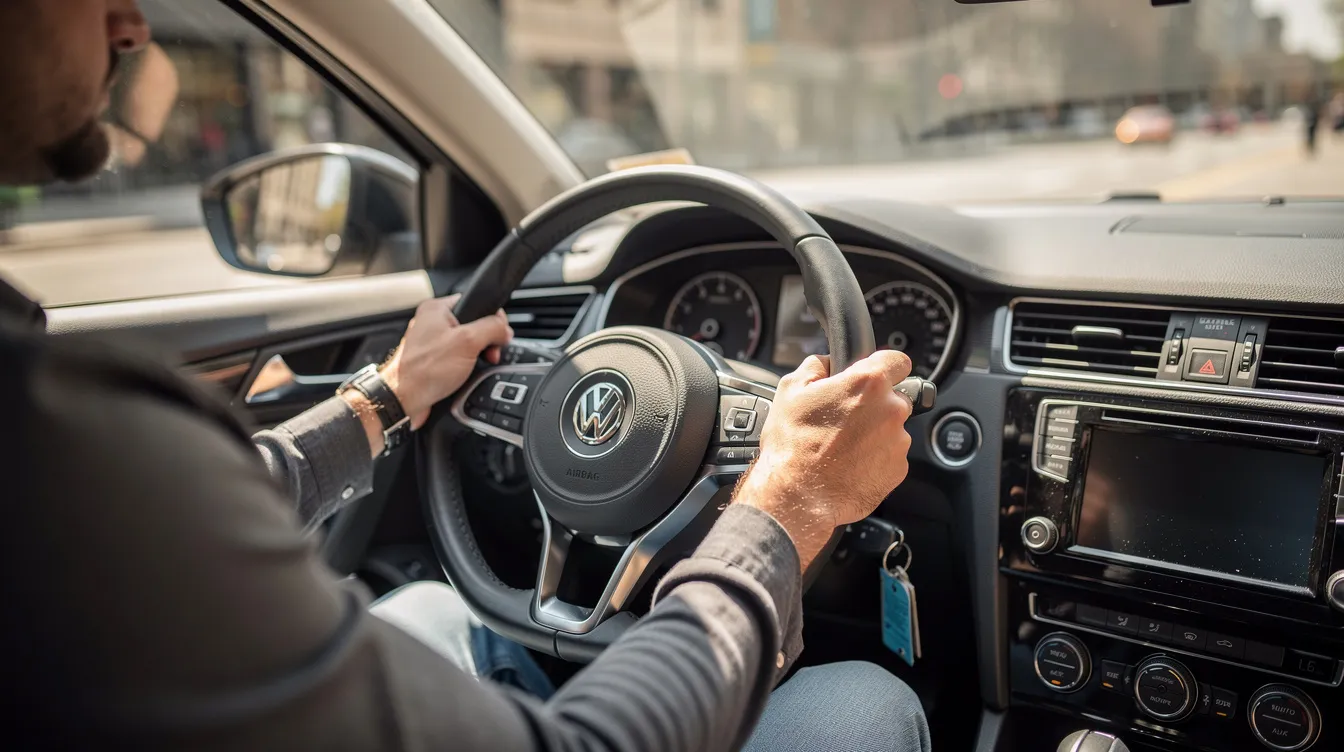
Countries Where Getting a License Is Much Harder
Understanding the toughest country examples provides useful contrast and shows just how demanding licensing can become.
Country | Required Hours | Medical Requirements | Approximate Total Cost |
|---|---|---|---|
Croatia | 80-90 hours | Multiple medical clearances | £900+ |
Brazil | ~60 hours | Medical + psychological exam | £200+ |
Hungary | ~58 hours | Eye + medical checks | £400+ |
Bahrain | Varies | Medical, theory, practical | £350+ |
Montenegro | Varies | Medical checks required | £200+ |
- Croatia: The toughest country for licensing globally. Prospective drivers must complete around 80-90 hours of mandatory lessons, produce multiple medical clearances, and pay total costs exceeding £900. The average Croatian driving lessons requirement alone represents months of investment.
- Brazil: Requires approximately 60 hours of training (45 theory and 15 practical) plus mandatory medical and psychological examinations. Total costs exceed £200 even before considering instruction fees.
- Hungary: Demands close to 58 hours of mandatory instruction plus compulsory eye and medical checks. The process is time-consuming even though exam fees aren’t Europe’s highest.
- Bahrain: Exam packages cost several hundred pounds (around £350 or more), combined with medical, theory, and practical assessments that can take months to complete.
- Montenegro: Driving tests run above £200 combined with multiple medical clearances, making it one of Europe’s more challenging licensing environments.
Unusual and Extremely Easy Driving Tests Around the World
Some countries have remarkably simple driving tests that barely assess actual driving ability—raising ongoing debates about road safety.
- India: The cost to take a driving test runs approximately £1 in many regions. Reports indicate that practical exams sometimes involve only basic maneuvers: starting, stopping, and short drives of just a few meters. This minimal assessment contributes to ongoing safety concerns.
- Pakistan: With test costs around £0.89, Pakistan represents the extreme low end of the cost spectrum. In some cities, the practical exam has historically consisted of very short routes or basic parking requirements, contributing to high pass rates.
- Egypt: Traditional test formats reportedly required drivers only to drive forward and backward around a bend plus answer basic theory questions. While reforms have been proposed, enforcement varies significantly.
- Burundi and similar nations: Some countries have historically had minimal enforcement and, in certain cases, no consistent nationwide practical test. This means many drivers operate vehicles without formal assessment.
- Safety reminder: Although these systems sound appealing for their simplicity, they often correlate with higher crash rates. “Easy” licensing doesn’t equal “desirable” from a safety perspective—these nations frequently appear in road fatality statistics.
Key Factors That Make a Country Easy or Hard for Licensing
Several specific elements determine whether a licensing process feels manageable or overwhelming.
- Minimum driving age: Countries permitting driving at 14-16 (Qatar, parts of Mexico, most US states) automatically classify as “easier.” An 18-year minimum adds years of waiting for young people eager to drive.
- Mandatory lesson hours: Required training can range from zero to 10 hours in the easiest systems up to 80+ hours in the most demanding. This single factor often predicts total cost and time investment better than any other.
- Exam structure: A process requiring only a theory test or basic maneuvers is inherently easier than full-length closed-course and on-road tests under strict scoring criteria.
- Cost: Total expenses (tuition, medical checks, and exam fees) span from under £50 in the most accessible places to well over £800 in premium markets. Budget constraints make this factor highly practical for most people.
- Administrative hurdles: Medical certificates, psychological assessments, residency proof, and multi-stage bureaucracy push countries into “hard” territory regardless of test difficulty itself.
Practical Tips If You’re Choosing Where to Get a Driver’s License
For students, expats, or digital nomads considering obtaining a license abroad, several practical considerations apply beyond pure ease rankings.
- Check conversion rules: Verify whether your home country recognizes foreign licenses and how simple conversion is. EU-to-EU swaps are typically straightforward, while USA state reciprocity with countries like Germany or Japan varies significantly.
- Understand residency requirements: Many countries only issue local licenses to applicants holding a residence permit or staying longer than 6-12 months. You generally can’t fly in, pass a test, and leave with a valid license.
- Evaluate language support: Availability of exams and study materials in English or your native language dramatically affects perceived difficulty. Latvia’s multilingual options, for example, make it more accessible than countries offering tests only in local languages.
- Balance ease with practicality: Some insurers and employers prefer licenses from countries with more rigorous training. A license from a nation known for minimal standards might raise questions or affect your ability to rent vehicles internationally.
- Verify current requirements: Always consult the latest official guidance from transport authorities. Rules and fees change regularly—what you read in a 2024 article may not reflect 2025 or 2026 reality.
Key Takeaways
The easiest countries to get a driver’s license—Mexico, Qatar, Latvia, the United States, and Canada—share common traits: lower costs, younger minimum ages, fewer mandatory hours, and streamlined testing processes.
However, “easy” describes regulatory burden, not quality of driver preparation. Prioritize proper training and practice regardless of where you obtain your license. The goal isn’t just to pass a test—it’s to become a safe, competent driver who can handle real-world conditions.
Before making any decisions, verify current requirements with local transport authorities. Your future on the road depends on getting accurate, up-to-date information.