

Introduction
Getting a flat tire while driving overseas transforms a minor inconvenience into a potentially stressful situation involving unfamiliar roads, language barriers, and different emergency protocols. Whether you’re navigating a scenic road through the Alps or exploring new countries on a road trip abroad, understanding how to handle tire damage in a foreign country is essential preparation that many travelers overlook.
This guide covers everything you need to know about flat tire preparedness for international driving: pre-trip preparation and equipment verification, step-by-step emergency response procedures, cultural considerations that affect how you navigate emergencies, and prevention strategies to minimize risk. What this guide doesn’t cover is routine tire maintenance for daily driving—our focus is specifically on the unique challenges of tire puncture situations when driving overseas.
The target audience includes international travelers renting vehicles, expatriates preparing cars for foreign roads, and road trip enthusiasts crossing multiple countries. If you’ve ever wondered how you’d handle a breakdown on unfamiliar territory, this guide addresses your concerns directly.
Early query answer: When a tire puncture occurs abroad, immediately find a safe spot away from traffic, activate your hazard lights, assess whether changing the tire yourself is the best or safest option given local conditions, and contact local roadside assistance services if needed. Having the right preparation—including all the necessary tools, essential documentation, and emergency contacts—prevents legal complications and inflated repair costs.
Key outcomes you’ll gain from this guide:
- Confidence to handle flat tire emergencies in any foreign country
- Knowledge of country-specific safety protocols and legal requirements
- Strategies to overcome language barriers with local mechanics and roadside services
- Prevention techniques that reduce flat tire probability by up to 40%
- Understanding of insurance coverage gaps and payment expectations abroad
Understanding Flat Tire Risks When Driving Overseas
Flat tires present fundamentally different challenges in foreign countries compared to domestic travel. Beyond the mechanical inconvenience, you’re dealing with unfamiliar emergency systems, potential language barriers, and legal requirements that vary significantly between nations. Understanding these elevated risks is the first step toward effective preparation.
Higher Risk Factors Abroad
Road conditions vary enormously by region and directly impact puncture probability. In many countries, road maintenance is inconsistent—potholes, loose debris from construction zones, and scattered nails create hazards that don’t exist on well-maintained highways back home. According to a 2025 CarInsuRent Claims Trends Report, rim and tire damage account for approximately 14% of all rental car claims globally, with many flats beginning from punctures caused by local road debris.
Unfamiliar terrain compounds these risks significantly. Tourists driving in Iceland, for example, frequently report multiple flats during short trips on gravel roads, where both punctures and sidewall damage occur regularly. High altitudes, mountainous passes, and extreme temperature fluctuations affect tire pressure in ways that drivers from temperate climates may not anticipate—a properly inflated tire at sea level may be dangerously over or under-pressured at elevation.
Tire design differences in rental fleets add another layer of complexity. Many modern rental vehicles—especially EVs with underbody batteries or compact cars—lack full-size spare tires entirely. Instead, they offer temporary “donut” spares, sealant kits, or run-flat tires, each with specific limitations that drivers must understand before a tire puncture occurs.
Complications of Foreign Breakdown Scenarios
Language barriers with roadside assistance create immediate communication challenges. Describing technical issues like “sidewall bulge,” distinguishing between “tread repair vs full replacement,” or confirming whether the spare is a regular tire versus temporary can lead to misunderstandings, overcharging, or unsafe advice from service providers unfamiliar with your situation.
Different emergency service systems operate worldwide. In the European Union, dialing 112 connects you to emergency services in any member country, often with English-speaking operators available. Outside the EU, emergency numbers, response capabilities, and whether your rental car agreement or insurance covers breakdown assistance vary widely. Response times average approximately 30 minutes in urban areas and 45 minutes in rural regions—a significant period of exposure on a highway shoulder or during extreme weather.
These complications underscore why thorough preparation before your trip is non-negotiable for international drivers.
Preparation Before Traveling Overseas
Given the elevated risks of tire damage abroad, systematic preparation before departure dramatically reduces stress and improves outcomes when problems occur. This preparation spans equipment verification, emergency kit assembly, and skill development.
Rental Car Equipment Inspection
Before leaving the rental lot, conduct a thorough inspection of the rental car’s equipment related to tire emergencies. Check the spare tire’s condition: verify whether it’s a full-size spare or temporary donut, examine tread depth (legal minimums are typically 1.6mm in Europe, though experts recommend replacing below 3mm), and confirm proper inflation. Many rental companies don’t proactively verify spare condition unless specifically asked.
Locate and test the jack and lug wrench. Ensure they’re compatible with the vehicle—some cars require non-standard bolts or specialized lift points. Know where tools are stored; some vehicles hide them in underbody compartments beneath the trunk floor. A missing or incompatible tool discovered during an emergency is a preventable crisis.
Find the owner’s manual and review tire-specific sections. This includes manufacturer-specified lift points for the jack, torque specifications for lug nuts, instructions for run-flat tires or sealant kit usage, and any warnings about driving limitations with the spare installed. Seven seconds of preparation here saves significant stress later.
Emergency Kit Assembly
A comprehensive tire repair kit should include plugs, patch materials, sealant, a portable air compressor or CO₂ inflator, and an accurate tire pressure gauge. These tools address small punctures and provide temporary fixes—though be aware that some countries prohibit driving on repaired tires on highways or motorways. Understand your kit’s limitations and how to use each component before you need them.
Essential safety equipment varies by country but generally includes high-visibility vests meeting EN20471 standards and warning triangles—some countries require two. Note that Spain is replacing physical triangles with connected V-16 beacons featuring geolocation starting January 1, 2026. Research your destination’s specific requirements through resources like country equipment guides.
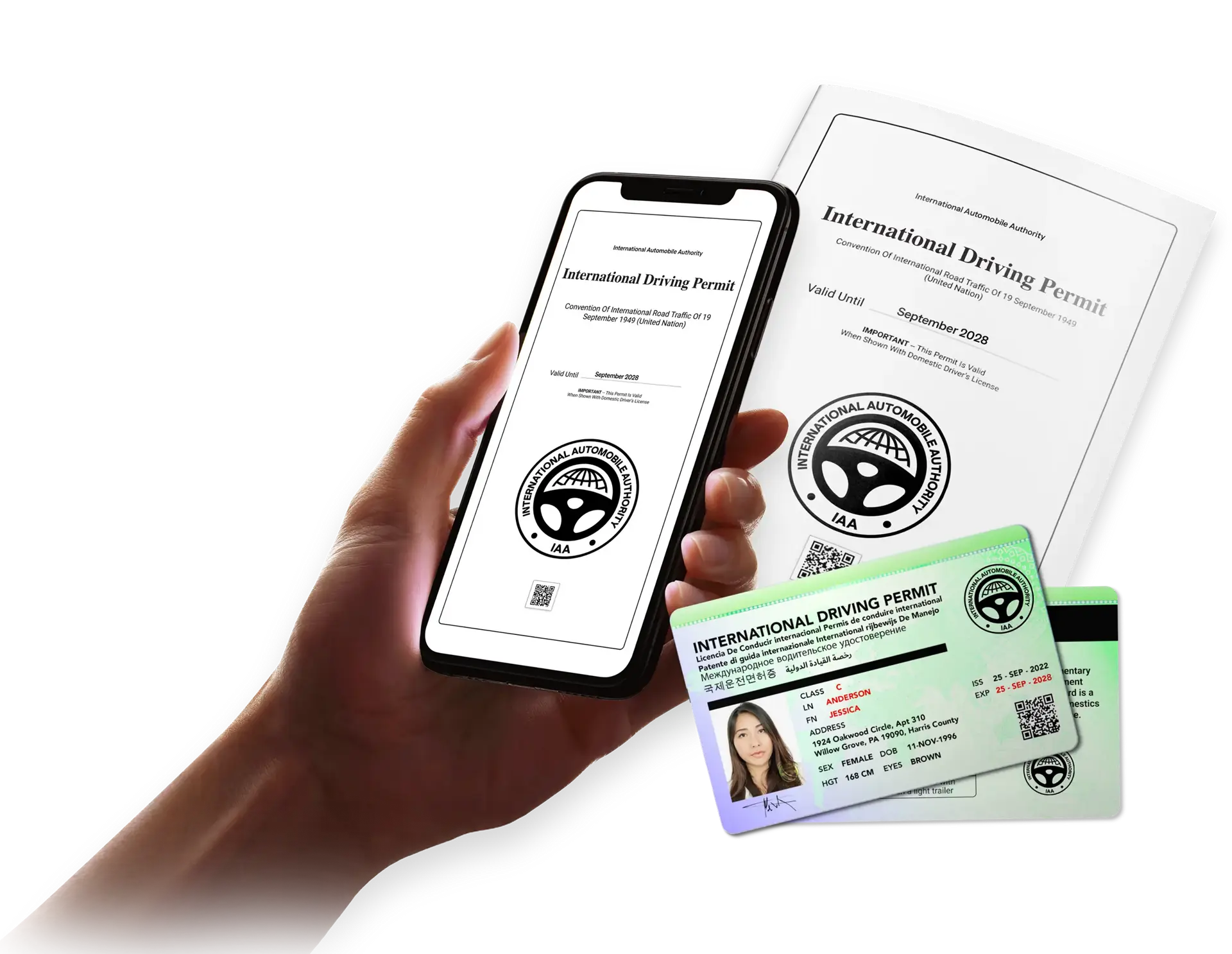
Compile essential documentation including your rental car agreement, insurance papers with coverage details, credit card protection documentation, domestic driver’s license, and International Driving Permit (IDP). AAA issues IDPs valid in 150 countries, translating license information into 10 languages. In many countries, drivers without an IDP face fines or service denial.
Create an emergency contacts list with your insurer’s international helpline, nearest embassy contact, and local emergency numbers for each country on your itinerary.
Skill Development
Practice changing a tire in a safe, low-pressure environment before your trip. Familiarize yourself with the specific sequence: loosen lug nuts slightly before lifting, position the jack at manufacturer-specified lift points, remove and replace the wheel, lower the vehicle, then tighten lug nuts fully in a star pattern to ensure even pressure. This skill becomes especially valuable when driving through remote or mountainous regions where professional help may be hours away.
Practice using repair kits and sealants following manufacturer instructions. Understand whether speed or distance limits apply after using temporary repair methods—most sealants restrict driving to 50 mph for 50-100 miles maximum.
With preparation complete, you’re ready to handle the actual emergency procedures required when things go wrong abroad.
Managing Flat Tires on Foreign Roads
When a flat tire happens despite preparation, systematic response ensures safety and efficient resolution. This section covers emergency procedures and decision-making frameworks for international breakdown scenarios.
Emergency Response Procedure
Use this step-by-step process when you experience tire failure abroad:
- Recognize flat tire symptoms while driving. Warning signs include that distinctive thump thump thump sound, steering vibration, loss of vehicle control, audible air leakage, or dashboard TPMS warnings. Don’t ignore early symptoms hoping they’ll resolve.
- Find a safe pullover location away from traffic. Pull far off the roadway—ideally onto a stable surface in a well lit parking lot or wide shoulder. Avoid curves, blind spots, steep hills, or soft ground that could cause the jack to fail. In some countries, stopping on highways is only legal for genuine emergencies.
- Activate hazard lights and safety measures. Turn on hazard lights immediately. Before exiting the vehicle, put on your high-visibility vest—this is legally required in many countries before leaving your car. Position warning triangles at the legally mandated distance: approximately 100 meters on German Autobahns, 50 meters in Spain on extra-urban roads, 30 meters in Portugal on standard roads.
- Assess situation and available options. Evaluate whether the spare is usable and what type it is. Confirm tools are present and functional. Consider your current location, traffic conditions, weather, time of day, and personal confidence level. If you have run-flat tires, determine whether you can drive slowly to a nearby tire shop rather than changing roadside.
- Execute tire change or call for assistance. If proceeding with self-service, follow the owner’s manual precisely: loosen lug nuts before lifting, jack at specified points, replace wheel, lower vehicle, tighten lug nuts in star pattern. If conditions are unsafe or you’re uncertain, contact the rental company’s roadside assistance, local roadside assistance services, or emergency services via local emergency numbers.
Decision Matrix for Self-Service vs Professional Help
When deciding whether to change tires yourself or call for help, evaluate these factors systematically:
Factor | Change Yourself | Call for Help |
|---|---|---|
Safety Level | Safe, well-lit area with minimal traffic | Unsafe location, heavy traffic, isolated area |
Time of Day | Daylight hours with good visibility | Night, dusk, or poor visibility conditions |
Experience Level | Confident with tools and procedure | Unfamiliar with process or equipment |
Equipment Available | Full spare, functional jack and lug wrench | Only repair kit, missing tools, or donut spare with distance limitations |
Weather Conditions | Calm, dry conditions | Rain, extreme heat/cold, or wind |
When multiple factors favor calling for help, professional assistance is typically the best or safest option—even if it means waiting longer. Personal safety outweighs convenience, and many rental car agreements include roadside services at no additional cost.
Understanding common challenges helps you prepare for complications beyond the mechanical aspects of tire repair.
Common Challenges and Solutions
Beyond the technical process of tire repair, overseas breakdowns present cultural, linguistic, and logistical complications that require specific strategies.
Language Barriers with Roadside Assistance
A translation app with offline capabilities is invaluable when communicating with local mechanics or roadside assistance dispatchers. Pre-load automotive terminology in your destination’s language: phrases like “flat tire,” “rim bent,” “no spare tire,” “tow truck needed,” and “nearest repair shop” prevent critical miscommunication during stressful moments.
Visual communication strategies supplement verbal explanations effectively. Photograph the tire damage, sidewall codes, and available tools to show service providers exactly what you’re dealing with. Point to the affected wheel, gesture the size and location of damage, and use universal symbols when words fail. Many drivers find that pictures communicate faster and more accurately than struggling through unfamiliar vocabulary.
Payment Method Complications
Different payment expectations exist worldwide for emergency services. Many roadside providers and local mechanics in developing regions accept only local cash—credit card machines may be unavailable or reject foreign cards entirely. Always carry some local currency specifically for emergency expenses.
Understand your rental car agreement’s coverage for tire incidents. Collision Damage Waiver (CDW) policies often exclude tire, rim, and undercarriage damage—a common gap that surprises travelers. According to claims data, average flat tire replacement costs approximately $163 USD, but with towing and administrative fees, severe incidents can exceed $1,300 USD. Verify coverage before problems occur and keep documentation accessible.
Cultural Gender Expectations
In some countries, gender considerations affect roadside assistance dynamics. Social norms may discourage women from performing roadside repairs or create uncomfortable interactions with unsolicited advice from other drivers or passing strangers. Being aware of local attitudes helps you navigate these situations while maintaining control—request official assistance through your rental company rather than accepting help from unknown individuals, or contact your hotel or embassy for recommendations.
Regardless of local customs, prioritize your safety and comfort. You’re never obligated to accept help that makes you uncomfortable, and legitimate roadside services should be available through official channels.
These challenges can largely be avoided through proactive prevention strategies during your road trip.
Conclusion and Next Steps
Successfully managing flat tires while driving overseas requires preparation, knowledge, and calm execution. The elevated risks of unfamiliar roads, foreign emergency systems, and language barriers demand more thorough preparation than domestic driving—but with the right preparation, you can handle tire emergencies confidently anywhere in the world.
Immediate actionable steps before your next international trip:
- Practice tire changing procedure at your own pace in a safe environment before departure
- Verify rental car equipment at pickup: spare condition, jack functionality, lug wrench compatibility
- Compile essential documentation including rental agreement, insurance details, IDP, and emergency contacts
- Download offline translation apps with automotive vocabulary for your destinations
- Research country-specific safety equipment requirements (vests, triangles, beacons)
- Carry local currency for emergency roadside services
Related topics worth exploring include comprehensive travel insurance that covers rental car issues including tire damage, international road trip planning resources for route optimization, and country-specific driving regulations for your destinations.
Safe travels, and may your road trips abroad be memorable for the scenery rather than the breakdowns.
Additional Resources
Country-Specific Roadside Assistance Contacts: European emergency services: 112 (universal across EU) International rental company assistance numbers should be in your rental car agreement
Essential Automotive Phrases to Translate:
- “I have a flat tire”
- “Where is the nearest tire shop?”
- “I need a tow truck”
- “The spare tire is missing”
- “How much does this repair cost?”
Tire Pressure Conversion Reference:
- 30 PSI = 2.07 bar = 207 kPa
- 32 PSI = 2.21 bar = 221 kPa
- 35 PSI = 2.41 bar = 241 kPa
Check your vehicle’s door jamb sticker or owner’s manual for recommended pressure specifications.